

Use these resources and pass them along to families before the break.

Educators are always under pressure to help students achieve. So when you've worked so hard to boost students' skills, you certainly don't want them to lose ground over summer break. We've come to know this knowledge and skill loss as "the summer slide": Though there are differing statistics about how it's measured—and even its existence—most teachers would attest that kids forget stuff over the summer.
The other truth is that summer is meant to be a break. The grind of school days is lifted for a short time, allowing for other types of activities and social experiences. Much like learning loss itself, however, kids from differing backgrounds have varied amounts of access to summer enrichment.
So what can schools and families do, despite different levels of access, to encourage learning over summer break? And how can we minimize forced workbook practice, drills, and otherwise educational tasks that can suck the fun out of summer?
It's possible for kids to keep learning over the summer months while also having fun. Below are resources to help all kids practice skills and learn new things in engaging, accessible ways. There are on- and off-screen activities and tons of digital tools (most free, some paid) that you can recommend with confidence.
Learning Plans & Healthy Habits
Helping prep parents and caregivers to encourage learning before summer starts is a great idea. And while it's likely not feasible to give each student a summer learning plan if you're teaching 100+ students, it might be possible to offer general guidance and resources to all, and then more specific recommendations for students with significant gaps. This will help all kids keep learning and give those specific students a better chance to start next year with smaller setbacks. Also, in advance of the break, give kids some tools to create, or maintain, healthy habits. And help parents and caregivers by sharing family activities that can also encourage families to strive for media balance as much as possible.
Resources:
Fun Ways to Keep Kids Learning This Summer (recorded webinar)
Tips for healthy habits and finding quality content for families
Self-Directed Learning
School is meant to teach kids skills they need later in life and offer a wide breadth of topics so kids learn something about lots of things. But we know even little kids have their preferred areas of interest. Summer is a great time to let them dive into the topics they're truly jazzed about! If there's time before the end of the year, you can have kids set their own learning agendas: What would they love to learn more about? What are their passions? Many topics can go in varied directions, allowing for reading, STEM, SEL, and more. If you're able to give families a framework for exploration, they can take that ball and run with it.
Resources:
25 Great Learning Podcasts for the Classroom (or at home)
21 Podcasts for the STEM Classroom (or at home)
Scheduled vs. Unstructured Time
People of all ages need unstructured time to play and have fun. Simply put, play boosts our well-being. Little kids especially need free play, as it's critical to learning. Summer is often a time of loosy-goosy schedules, which is fine within limits, but can backfire if there's no structure at all. Kids still need enough sleep, nutrition, social connection, and physical activity to stay healthy, so even with a less-strict routine, some structure and expectations are still important. That said, let parents and caregivers know that it's OK for kids to be bored! Sometimes boredom is a pathway to problem-solving, creativity, and ingenuity.
Resources:
Travel or Virtual Visits
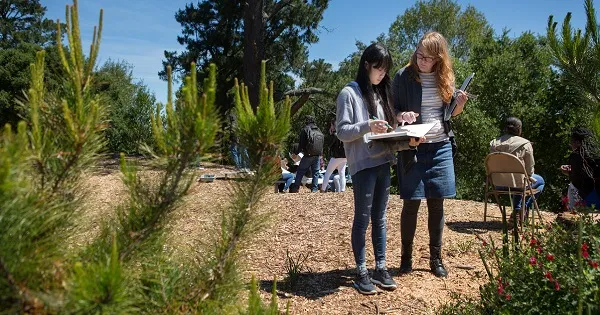
Not everyone can afford expensive summer camps or trips around the globe, but that doesn't mean there's no way to explore and learn along the way. Most museums and zoos have a free day, if there's an adult available to facilitate an outing. But even if there's not, there are ways to take virtual trips, too!
Resources:
Reading & Writing
Educators know: There's perhaps nothing more powerful for continuing to learn over the summer than reading. Reading aloud, listening to audio books together, offering graphic novels, subscribing to kid-friendly magazines—all are great options to stoke interests. Also, take advantage of library programs and systems, like inter-library loans and free online services like Libby and Kanopy! And when it comes to writing over the summer, self-expression and authentic audiences are often the most motivating. A kid-generated community or family newsletter, snail mail to family members (or next year's teacher!), media reviews, and more are all possibilities to get kids writing.
Resources:
Everyday STEM
Math and science are everywhere: It's all about the lens you're looking through. Cooking, counting, tinkering, building, coding, ingredients lists, and so much more are all easy ways to practice math and science skills. Encourage parents to involve kids in STEM opportunities, no matter how simple, to keep kids' brains primed and practicing. Though some of the resources below are framed for the classroom, they're easy to pass along to parents and caregivers, too.
Resources:
Creativity Opportunities
Especially in the age of AI, authentic self-expression is powerful. And there are so many mediums to explore! Some kids love coding, while others love visual art. Encourage kids to lean into these passions over the break. They can even challenge themselves to try something new, like a musical instrument or crocheting. Being creative can definitely exercise those learning muscles.
Resources:
GarageBand and Soundtrap for music creation
Almost-Inescapable Screens
There's no doubt: Many kids will spend a lot of time on screens over the summer. Of course, we hope kids are playing outside, hanging out with friends, or working their first jobs (if they're teens). But we know devices will be in the mix. Firstly, let parents and caregivers know that even the media that kids consume might already have learning hiding in plain sight. Sometimes it just takes co-playing/co-viewing or a discussion to help kids make those connections. In addition to the online experiences kids already love, we've collected some free and paid platforms with learning potential that you can pass along!
Free, Fun Apps, Games & Sites for Learning
- Vroom: Early Learning and Tips
- Learn to Read – Duolingo ABC
- Khan Academy Kids
- Code.org
- PBS Kids and PBS Kids Video App
- Gracie & Friends Treasure Bubbles
- PEEP and the Big Wide World apps
- Teach Your Monster
- Tami's Tower: Let's Think About Engineering
- Bedtime Math
- GoNoodle
- Scratch and ScratchJr
- Khan Academy
- Arduino Science Journal
- NASA NEMO-NET
- Reading Racer
- NASA app
- Math Snacks
- MakeBeliefsComix
- National Geographic Kids
- Aquation: The Freshwater Access Game
- The Explorers
- iCivics
- Google Arts & Culture
- Textadventures.co.uk
- GameMaker
- Geocaching
- WordWhile
- Roadtrip Nation
Paid Apps, Games & Sites for Learning
- Kahoot Kids (Dragonbox Math and Learn to Read by Poio)
- Toca Boca Jr.
- Tinybop
- Math Makers and Slice Fractions
- Artgig Apps (Mystery Math and Word Town)
- BrainPOP
- Humankind
- Mars Horizon
- Journey