

Practice active listening with these science, math, tech, and engineering podcasts

In our screen-focused society, visual stimulation is often expected. But the art of active listening has never been more important. Happily aligned with that need, podcasts have never been more popular! And there are lots of great choices out there for kids, including podcasts that cover STEM topics.
Some of the podcasts below are totally about STEM all the time, and others have a mix of topics among episodes. Some are short, and some are long. But whatever your classroom needs, you're bound to find something on this list that can help meet learning objectives.
It's also important to note that many of these titles can span grade levels, so take a listen and determine if a podcast is at the right level for your students.
Grades K–2
With episodes about 25 to 30 minutes, this podcast focuses on answering the questions curious kids ask. The kid and adult hosts pose the initial question, and then experts weigh in to answer. Though there's music and some sound effects, the production is a bit more low-key than some character-based podcasts. Just find the episodes that best align with your classroom's learning objectives and dive in!
But Why?: A Podcast for Curious Kids
Similar to Brains On!,this podcast has call-in questions from kids that experts answer in varied-length episodes. Not all of the content is STEM-related, but most episodes have some basis in science. There are minimal bells and whistles, so you may need to break up longer episodes with activities or discussion, especially for restless younger students.
Questions posed and voiced by kids prompt episodes about 15 minutes long, in which experts provide answers against a backdrop of gentle sound effects and music. The shorter episodes, definitions in context, and the inclusion of kids' voices throughout make this one especially friendly for the littlest learners.
If you need short and sweet, Moment of Um is part of the Brains On! universe of podcasts and has a sense of humor. Generally, there's a rotating host who does an amusing intro and then an expert who can answer the question. The humor doesn't feel "babyish," so this one can probably stretch up a few grades.
With 20- to 30-minute episodes, this podcast follows a similar format to those above: A kid calls in with a question, and the hosts facilitate an answer from an expert. It's another one that's light on sound effects but still has kid-friendly framing and language. It can probably stretch to third and fourth grades, depending on your students.
This well-known podcast has resources and a wide variety of specific topics. There's a lot of silliness and a high production value with lots of sound effects and funny voices. Episodes are about 20 to 25 minutes each, and middle grade students might also be on board with the kid-friendly theatrics.
Grades 3–5
This literal choose-your-own-adventure podcast has its roots in climate change and the power of our choices. Getting students involved in the story—and the science—embodies the sense of agency the podcast's characters have on their adventure.
Though this podcast focuses on money, it also touches on economics, cryptocurrency, and other topics that are math-adjacent. The episodes range in length, but many are around 30 minutes. It's a great avenue to start exploring financial literacy and link it to math concepts you're covering.
You guessed it, this podcast is all about space! But it takes on topics in ways that elementary-age kids will appreciate. The episodes are about 20 to 25 minutes long, and you'll find a mix of explanations of astronomical phenomena, astronaut experiences, citizen science opportunities, and more.
Radiolab for Kids: Terrestrials
You'll find a wide range of nature-related topics among these 25- to 35-minute episodes. Many have a sense of humor and a few sound effects. The tone and assumption of background knowledge places it in the upper elementary range, but you might find some episodes for younger kids and older ones, too. Confusingly, the YouTube episodes differ from those on the website, but that just means more of them!
This is another podcast under the Brains On! umbrella. Each episode is set up like a competition between two things: an eclipse vs. aurora borealis, telescope vs. microscope, broccoli vs. carrots, etc. There are four themed rounds with a judge and lots of humor. Though not all topics are STEM-related, it would be easy to adapt their format to your own in-class debates about STEM topics.
These episodes are about 10 minutes long and feature characters like Dr. Owl and Ziggy the robot. The podcast takes on more math and engineering topics than some STEM podcasts, including episodes about money and machines. The voices and sound effects might be too "cringe" for upper grades.
Grades 6–8
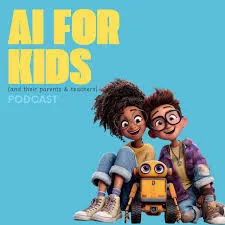
Featuring kids, educators, and parents, this podcast covers lots of everyday ways we encounter AI and it prompts those important conversations. Episodes are about 10 minutes long and are labeled with target grade levels, like "Elementary+," so this one can stretch up and down a bit.
This podcast from the U.K. also hosts video clips about a range of topics that could work well in the classroom. Plus, their "features" also have text about the science described in specific episodes. Because it's a blend of STEM and humor, it keeps things entertaining within the 40-minute episodes. Because some scientific concepts might need more background knowledge, this podcast could likely stretch up to high school.
Similar to others on this list, this podcast is question-based, but it often grapples with STEM topics adjacent to current cultural interests, like particular diet fads, AI, and microplastics. Because of this relevance to subjects that teens might be seeing on social media, it might pique more interest. Heads-up: There are explicit episodes, so be sure to look for the little "E" and pre-screen.
Sort these approximately 30-minute episodes by topic to find the science, technology, engineering, or arts-related subjects you want to cover. Then let experts in the field answer the real-life questions they answer every day at their jobs.
Though no new episodes are being created, this podcast has a deep enough back catalogue of 25- to 30-minute episodes for you to find topics that will work. Tai, the host, talks with other teens and experts to answer curiosity-based questions tied to STEM topics.
Grades 9–12

This podcast is all about how our brains work. Many episodes feature a psychologist or neuroscientist as the expert. Because the topics focus on questions about human experiences, the bridge to brain science may feel more relevant to students. The episodes are lengthy (often an hour or more), so they may work well for flipped classroom assignments or in clips.
Ologies
The website for this podcast lets you see how many episodes cover specific topics. It also offers transcripts and links to references made! The episodes are usually over an hour, but the host interjects with fun little tidbits and commentary, which breaks it up and humanizes the often heady, elevated science. Note: Here or there you may run into more adult content (many episodes contain swearing, and the links to "bleeped" episodes don't seem to work).
These episodes cover a wide variety of topics, many linked to the human experience or more abstract concepts. The episode lengths are all over the place, but there are transcripts and linked references for each episode.
This podcast does a great job of connecting relevant topics to the science behind them. Most episodes are under 20 minutes and can probably stretch down to middle school, depending on the background knowledge that students have. Check out this podcast's educational resources and search feature for all grade levels!
TED (as in TED Talks) has a bunch of podcasts with episodes relating to STEM topics. TED Talks Daily has topics that span lots of subject areas with variable-length episodes. The TED AI Show features longer episodes that explore the many facets of artificial intelligence, and Your Undivided Attention addresses the implications of today's tech and how to make it humane. With even more podcasts about climate change, tech, and health topics, there's plenty to connect to STEM.